
The Moral Cost of Advancement
The Man Who LaughsGwynplaine’s sudden advancement tests whether social elevation can serve compassion without corrupting the bonds that made him humane.
increasing Bearing strength in each event
 decreasing
Bearing strength in each eventdecreasingContent in the Caravan
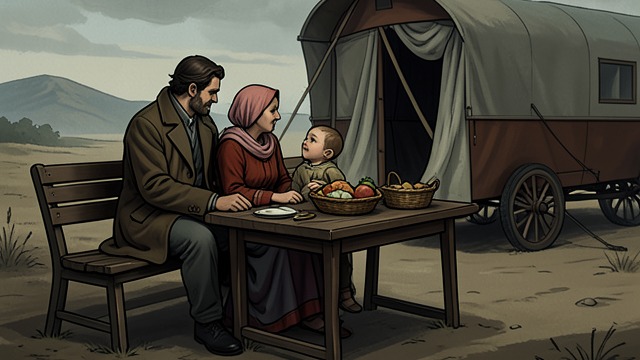
Content in the Caravan
Modest needs met
Gwynplaine earns enough to feed and house Dea.
He values independence and affection more than aristocratic wealth.
His deformity seems useful because it supports the people he loves.
An untested ambition
He observes social suffering but remains outside political power.
His desire to help others is still largely an inward dream.
The coming inheritance will test that aspiration.
The Sudden Inheritance
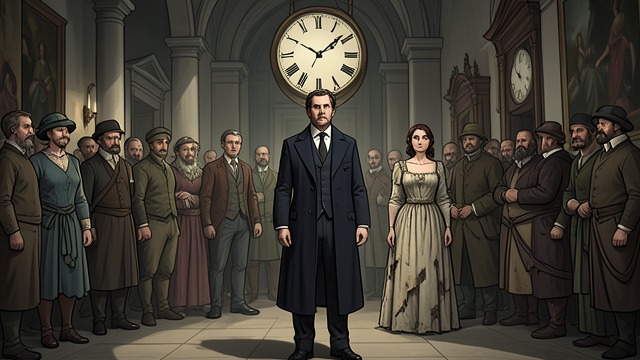
The Sudden Inheritance
Wealth arrives without preparation
Gwynplaine learns he has estates, titles, and a seat in the Lords.
Barkilphedro presents advancement as a new destiny.
The speed of the change prevents reflection.
Desire enters the decision
Gwynplaine briefly imagines pleasure, influence, and grandeur.
His past values lose strength beneath the spectacle of possibility.
Good fortune becomes a moral test rather than an uncomplicated reward.
A Peer Accepts the Seat
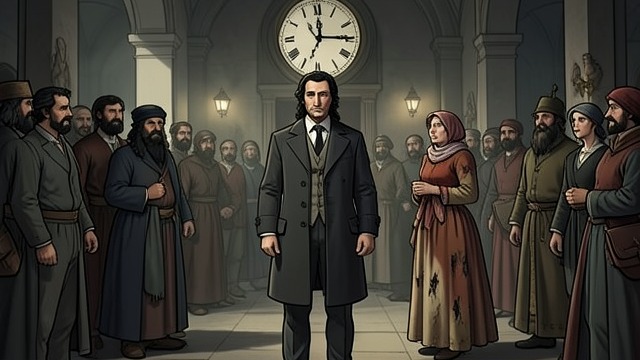
A Peer Accepts the Seat
Duty imagined
Gwynplaine believes he can use his title to advocate for the poor.
His past gives him knowledge that the nobles lack.
He treats admission to the House as an opportunity for public service.
Private ties displaced
He has not returned to Dea or Ursus before the ceremony.
The delay deepens the distance between intention and action.
His good purpose begins inside a choice that costs his family time.
The Mission Collapses
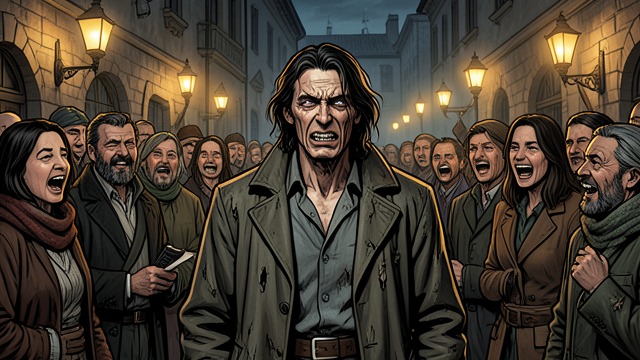
The Mission Collapses
Duty performed
Gwynplaine denounces privilege and describes the poor’s suffering.
He does what he imagined a peer ought to do.
His speech briefly reconciles inherited power with moral purpose.
Public rejection
The Lords laugh and turn his testimony into spectacle.
His position proves unable to overcome their class solidarity.
The attempt fails even as it clarifies what he opposes.
The Loss Reassessed
The Loss Reassessed
Prosperity counted as cost
Gwynplaine recognizes that his ascent separated him from Dea and Ursus.
He contrasts estates and titles with the affection he abandoned.
The inheritance appears to have bought his happiness at an unacceptable price.
A return too late
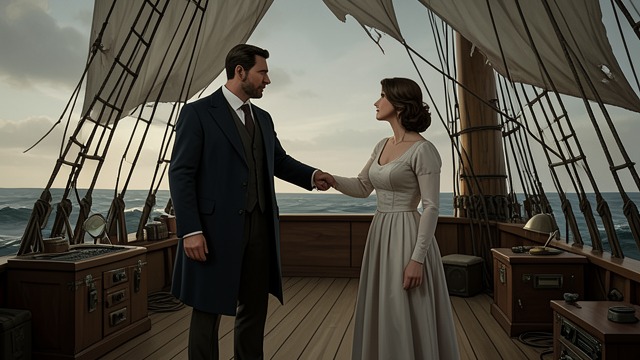
He finds the family aboard the Vograat and reaches Dea again.
Their reunion cannot prevent her death.
The moral reckoning arrives after the choice can be undone.
Before the sea flask is discovered in 1705
In Corleone Lodge after the prison confrontation
Before the opening of the evening sitting
During and immediately after Gwynplaine’s Lords speech
At the Effroc stone, after the empty fairground is found
